

Trust the Process
A roadmap to understanding where your lawn is today — and what comes next.
Healthy turf is built through timing, consistency, and patience. Results compound season after season.
How to use this page
- See whats's next
- Understand timing
Four stages most lawns move through
Some lawns progress smoothly, others pause or repeat stages.
That’s normal. The goal is not perfection overnight — it’s steady improvement.
- Establish consistency
and a baseline for your lawn
- Identity and fix deficiencies
- so your lawn can progress
- Build tolerance
and restore density
- Resilience, recovery,
and consistency.
Step 1 Assessment
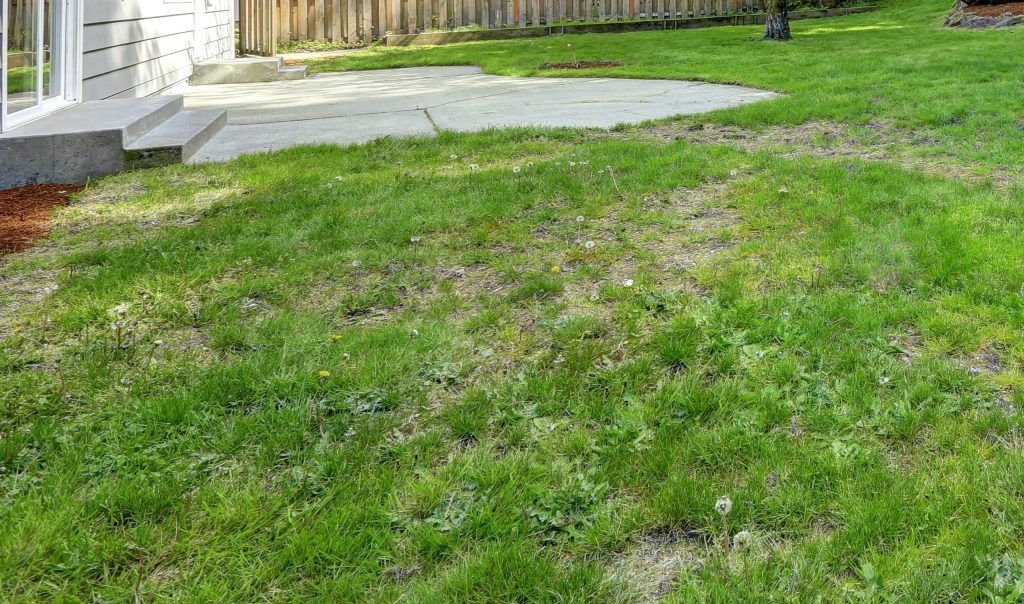
Thin turf, weeds, bare areas, and uneven growth aren’t signs of failure — they’re indicators of current conditions. They show how the lawn has responded to past care, seasonal stress, soil conditions, and environmental factors.
Lawns aren’t corrected in a single visit or with one product. They improve through proper timing, consistent care, and treatments that align with the season and the lawn’s actual needs. This phase establishes a clear baseline so decisions moving forward are based on conditions, not assumptions.
What comes next: Understanding current conditions allows the next steps to be intentional, properly timed, and effective.
Step 2 Stabilization
The Fix Phase starts by identifying what’s holding the lawn back. This may include soil imbalances, pH concerns, insect activity, weed pressure, or signs of disease. These issues often develop gradually and directly affect how the lawn responds to routine care.
Once identified, targeted treatments are used to correct these stressors and stabilize the lawn. The focus is on removing obstacles to healthy growth so the turf can respond properly to consistent, season-appropriate care and begin moving forward.

What comes next: Correcting stressors allows the lawn to respond and prepares it for rebuilding density.


Step 3 Correction
The Build Phase focuses on increasing turf density and creating the most visible improvements to the lawn. This is where thin areas begin to fill in, color becomes more consistent, and the lawn starts to function as a healthy system rather than a collection of problem spots.
For some lawns, this phase is where the process truly begins. When turf is sparse or missing, establishing grass through overseeding or renovation is necessary before long-term maintenance can be effective. Building density strengthens the lawn’s natural ability to compete with weeds, tolerate stress, and respond to ongoing care.
What comes next: Once density is established, focus shifts to protecting gains and sustaining results.
Step 4 Performance
Once the lawn has reached its goal condition, the focus shifts from improvement to preservation. This is where the benefits of a dense, durable turf are fully realized — consistent color, improved stress tolerance, and fewer problem areas throughout the season.
Maintenance at this stage is intentional and proactive. Methodical, season-appropriate applications are used to support root health, manage environmental stress, and prevent the gradual decline that can occur without ongoing care. By protecting what’s been built, the lawn maintains its performance year after year rather than cycling back into correction.

What comes next: Ongoing care preserves performance and prevents regression over time.
Where do you fit now?
If you’re wondering whether seeding is necessary, why summer is always the toughest season, or why the lawn looks better but not quite finished — you’re not behind. You’re simply in a different stage of the process. Turf improvement takes time, and each phase builds on the last. Knowing where you fit helps set realistic expectations and makes the next step clear.
- Are you dealing with weeds, thinning, or recurring problem areas year after year?
- This typically points to the Assessment. Identifying what’s driving those patterns helps determine what needs correction and fix it before the lawn can move forward.
- Does your lawn struggle most during summer, even though I’m feeding it?
- You’re likely in the Stabilization (Fix Phase). Summer stress often exposes underlying issues like soil imbalance, root weakness, insects, or disease that need to be addressed before progress can hold.
- Does the lawn look better than it used to, but still not finished or consistent?
- You’re likely in the Correction (Build Phase). This is where density improves, thin areas fill in, and the most visible changes take shape — sometimes with seeding as part of the process.
- Is your lawn generally healthy, but needs ongoing care to stay that way?
- You’re likely in the Performance (Maintenance Phase). At this stage, the focus is on protecting what’s been built and preventing decline through consistent, season-appropriate care.
Lawn care isn’t a single service — it’s a sequence.
When the steps are followed in order, results compound season after season.
If you’re not sure which stage your lawn is in, I’m happy to talk it through.